
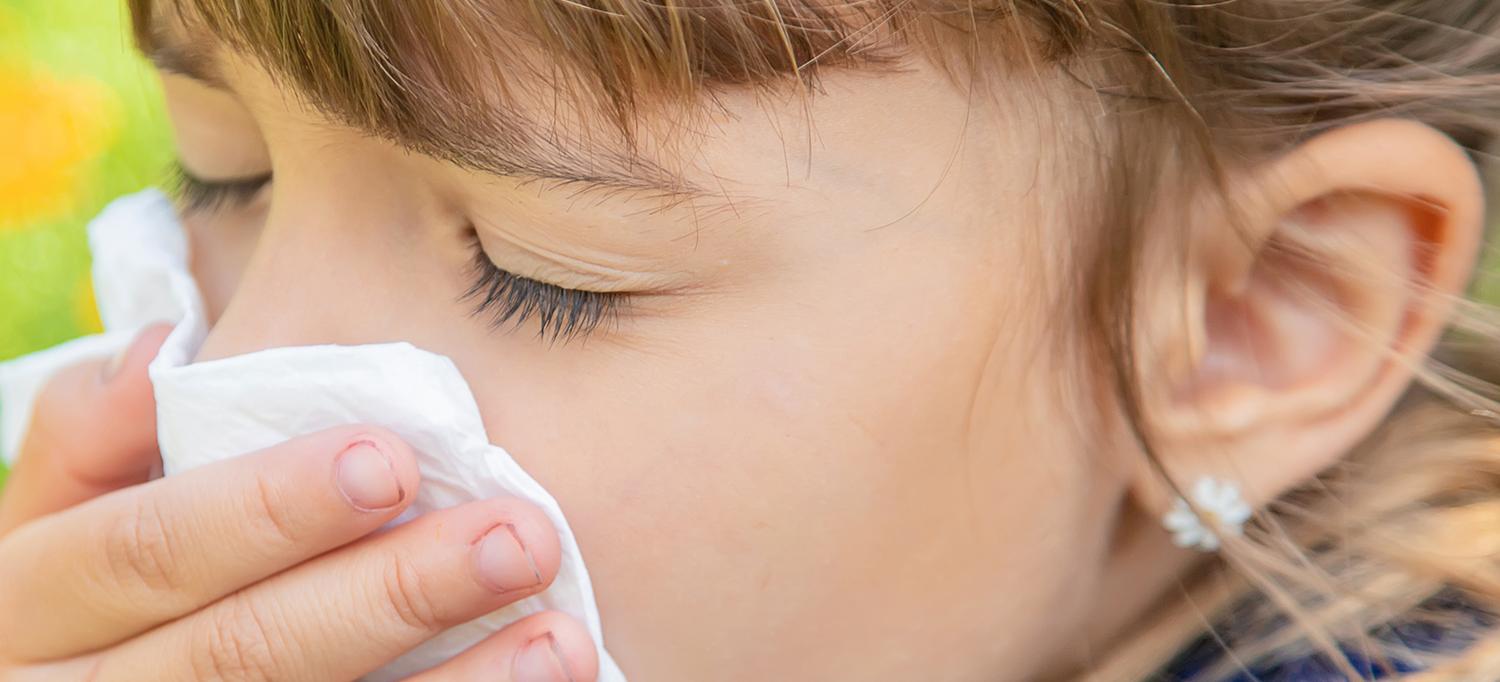
Understanding how to safely manage allergies in school-age kids is essential because children spend long hours away from home each day, and small unnoticed triggers in classrooms, playgrounds, or cafeterias can unexpectedly provoke reactions that require thoughtful preparation and consistent communication among families, teachers, and caregivers.
Why do allergies become more challenging during school years?
School environments introduce unpredictable situations that children cannot fully control, making allergy management more complex for families. Kids encounter shared materials, crowded spaces, and diverse foods daily, and these factors increase exposure risks. Many children struggle to recognize early symptoms or communicate them quickly. According to our editor’s research, most mild reactions at school begin with overlooked triggers, often linked to snacks or classroom activities. Teachers must rely on accurate information provided by parents. Children also need reminders to maintain safe habits consistently. These challenges highlight the importance of preparation.
What common triggers should families watch for in school settings?
Schools contain multiple allergy triggers that often go unnoticed during busy routines. Food allergens remain the most frequent cause, especially in cafeterias where shared tables increase contact risks. Environmental allergens such as dust and pollen also affect sensitive kids significantly. Classroom pets or art supplies may cause unexpected reactions. As a result of our editor’s reviews, many reactions occur during group activities involving shared objects. Outdoor play exposes children to pollen changes as well. Recognizing these triggers helps families and teachers stay prepared. Awareness supports safer daily routines.
How can parents prepare their child before the school year starts?
Preparation begins with clear communication and thoughtful planning. Families should explain symptoms and safe habits using simple language that children understand easily. Practicing how to report discomfort helps build confidence. According to our editor’s research, role-play conversations improve response speed during early symptoms. Packing allergy-safe snacks reduces exposure risks during shared meals. Parents should label emergency medications clearly. Preparing a written action plan ensures consistency. These early steps reduce anxiety during the first weeks of school.
Why is communication with teachers essential for allergy safety?
Teachers play a central role in maintaining safe routines. They supervise meals, activities, and classroom transitions regularly. Building a trusting relationship encourages open conversation about concerns. As a result of our editor’s reviews, teachers respond faster when they understand each child’s symptoms clearly. Providing written instructions helps them act confidently. Sharing updates about changing sensitivities supports better decisions. Teachers often coordinate with school nurses to monitor high-risk students. Communication prevents misunderstandings that may create unnecessary risks.
How can schools create safer eating environments?
Safe eating environments reduce accidental exposure significantly. Cafeterias should maintain clear food labeling practices. Teachers may also implement designated seating for children with severe allergies. According to our editor’s research, simple measures such as hand-washing before meals greatly lower cross-contact risks. Families can provide safe lunch alternatives when needed. Staff training ensures proper handling of emergency situations. Schools that adopt consistent routines create safer and more inclusive dining experiences. These adjustments reassure parents and students.
Why should children learn to recognize early symptoms?
Recognizing early symptoms allows faster intervention, reducing the severity of reactions. Symptoms vary widely among children, including hives, coughing, itching, or stomach discomfort. Many kids struggle to identify reactions when they begin mildly. As a result of our editor’s reviews, children who understand their symptoms seek help sooner. Teaching awareness empowers them to protect themselves effectively. Parents can use simple examples to explain what early discomfort feels like. Schools reinforce this learning through supportive conversations. Symptom recognition remains essential for safety.
How can peer awareness support allergy-safe environments?
Peers influence school environments significantly, and their understanding improves safety. Teaching classmates basic allergy awareness fosters empathy and cooperation. According to our editor’s research, peers often help identify risky situations before adults notice them. Simple reminders such as not sharing snacks reduce exposure risks. Classrooms benefit from open discussion about health needs. Children feel more comfortable when peers respect boundaries. Peer support strengthens overall safety and reduces isolation for allergic students.
What role do emergency action plans play in safety?
Emergency action plans outline clear steps for teachers and caregivers during reactions. They provide instructions for medication use and symptom identification. As a result of our editor’s reviews, schools respond more effectively when plans are accessible and well-organized. Action plans should include emergency contacts and medical details. Teachers must know where medications are stored. Consistency ensures rapid response during urgent moments. Written plans prevent confusion and promote confidence.
How can parents and schools coordinate medication management?
Medication management requires strict organization and reliable communication. Families must supply updated medications before the school year begins. School nurses ensure proper storage and monitor expiration dates. According to our editor’s research, training staff to use devices like epinephrine injectors improves outcomes significantly. Teachers should know when and how medications are administered. Clear labeling ensures quick identification during emergencies. Collaboration between parents and schools reduces potential errors.
Why is emotional support important for allergic children?
Allergic children often experience anxiety about exposure risks. Emotional support helps them feel secure during daily routines. Many fear standing out or being treated differently. As a result of our editor’s reviews, reassurance improves confidence during school activities. Creating predictable routines reduces stress. Teachers can encourage inclusive practices to prevent isolation. Parents can discuss feelings openly to build trust. Emotional wellbeing supports overall safety.
How can families reinforce safe habits at home?
Safe habits begin at home and continue throughout childhood. Families can practice reading ingredient labels together. Rehearsing how to decline unsafe foods builds confidence. According to our editor’s research, children who feel empowered take fewer risks. Establishing consistent routines helps reinforce awareness. Parents can explain why certain foods require caution. These small steps gradually strengthen independence. Home preparation forms the foundation of school safety.
What long-term habits support allergy-safe school years?
Long-term safety depends on consistency and communication. Children benefit from yearly updates to action plans. Teachers require refreshed information as new symptoms appear. As a result of our editor’s reviews, ongoing education improves outcomes significantly. Families should track sensitivity changes regularly. Schools must maintain supportive environments. Building strong habits early helps children manage allergies confidently. Predictable routines promote lasting wellbeing.