
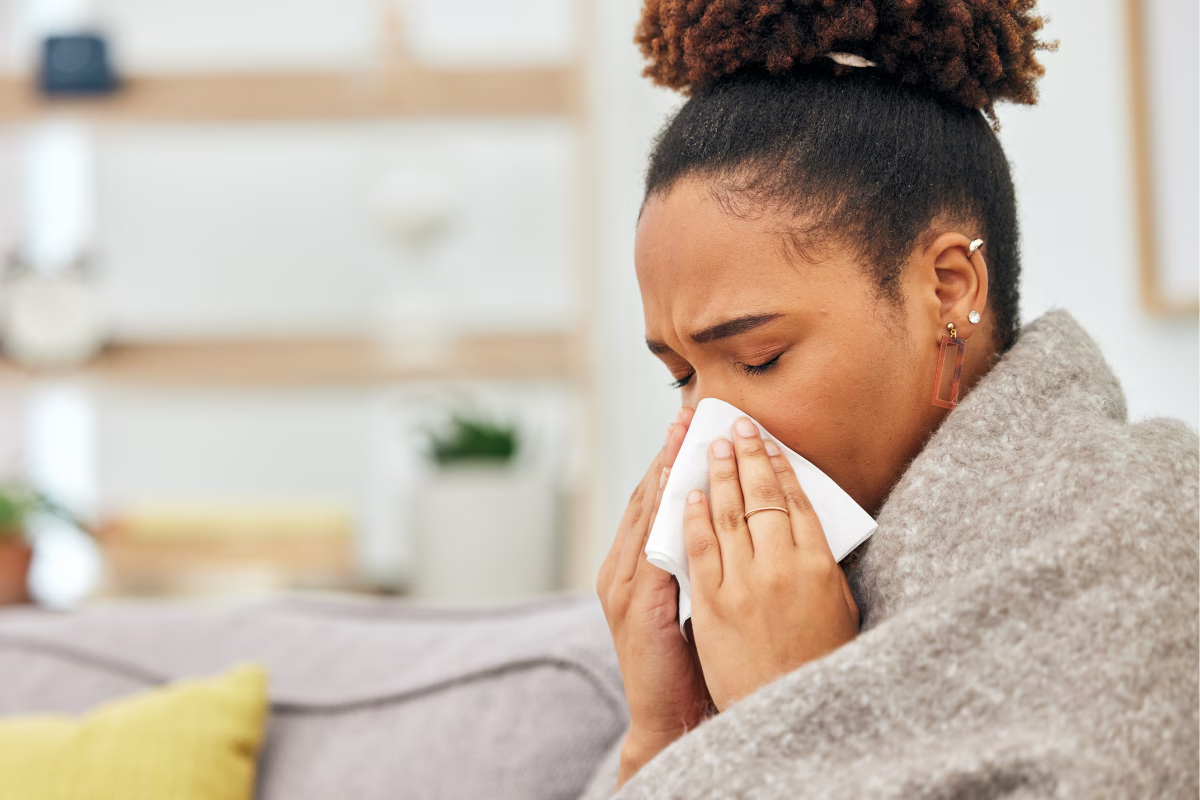
A colleague once told me how seasonal allergies left him struggling to stay awake after using a common antihistamine, and his frustration reflected a familiar story for many people who rely on fast relief but dislike the heavy, sleepy feeling that follows. These moments create a constant dilemma between comfort and daily productivity. According to our editor’s research, many individuals can manage allergy symptoms effectively without relying on medications that cause drowsiness, especially when they combine smart environmental changes with non-sedating strategies. This article explores these gentle, practical ideas in a calm, conversational tone that helps you understand your options without feeling overwhelmed by technical details.
Why do some allergy treatments cause drowsiness?
Drowsiness occurs because certain medications interact with brain receptors responsible for alertness. Older antihistamines cross into the brain more easily. This produces strong symptom relief but also lowers wakefulness. According to our editor’s research, people often underestimate how quickly these medications influence energy. The body processes them differently based on weight, hydration and timing. Some individuals feel sleepy within minutes, while others experience delayed fatigue. Understanding this helps you make better choices. When you recognize how ingredients behave, you can avoid the ones that cause drowsiness. Knowledge replaces uncertainty and supports clearer decisions.
How can non-sedating antihistamines help?
Non-sedating antihistamines target allergy mechanisms without influencing alertness. They act more selectively, focusing on receptors outside the brain. As a result of our editor’s reviews, many people experience strong relief with minimal sleepiness. These medications work best when taken consistently rather than only during severe symptoms. Timing also matters because steady levels support stable comfort. Non-sedating options often feel lighter on the body. People describe feeling normal rather than slowed down. Choosing non-sedating medications creates a balanced approach. It allows daily routines to continue smoothly. Comfort and clarity become possible together.
What role does hydration play in reducing symptoms?
Hydration supports nasal comfort and helps dilute allergens trapped in the airways. Dryness makes symptoms feel stronger. According to our editor’s research, consistent hydration keeps mucus thin and easier to manage. Drinking water throughout the day supports natural cleansing. Warm drinks soothe irritated nasal passages. Hydration also improves energy levels, reducing the fatigue associated with allergies. Many people underestimate how much better they feel with regular water intake. Simple habits create noticeable improvements. Hydration becomes an essential part of allergy management. It supports the body’s natural defenses.
How can environmental changes reduce drowsiness?
Environmental adjustments often reduce symptoms so effectively that less medication is needed. Keeping windows closed during high pollen times prevents exposure. As a result of our editor’s reviews, simple cleaning routines also reduce indoor irritants. Using gentle fabrics or frequent washing removes accumulated allergens. Pet dander can be minimized with regular grooming. Airflow improves comfort when balanced carefully. Fresh air during low pollen hours helps the lungs. These environmental habits reduce symptoms without sedation. They feel manageable and natural. Consistency enhances their impact.
Why does nasal rinsing help so many people?
Nasal rinsing removes irritants trapped inside the nose. It clears pollen, dust and small particles. According to our editor’s research, saline solutions provide gentle comfort without affecting alertness. Rinsing supports smoother breathing and reduces congestion. Many people use this routine during peak allergy seasons. It becomes part of daily hygiene. The simple action provides relief that feels refreshing. It decreases the need for medications. This helps avoid drowsiness. Nasal rinsing remains one of the most practical home strategies. It brings quick and natural comfort.
Can air quality changes improve alertness?
Air quality influences how severe allergy symptoms feel. Dusty or stale air triggers more reactions. As a result of our editor’s reviews, improving ventilation often produces immediate relief. Clean air reduces nasal irritation. Plants, gentle airflow and regular cleaning contribute to fresher environments. Avoiding strong chemicals prevents added irritation. Many people feel more awake in cleaner spaces. When air quality improves, symptoms decrease. You rely less on sedating treatments. Better air leads to better focus. These simple changes support overall energy.
How can diet influence allergy symptoms?
Diet shapes the body’s inflammatory response. Some foods help calm reactions. According to our editor’s research, fruits, vegetables and balanced meals improve resilience. Spicy foods sometimes open nasal passages temporarily. Warm soups soothe congestion naturally. Hydrating fruits support moisture balance. Avoiding heavily processed foods may reduce inflammation. Many people feel lighter energy after simple dietary improvements. Eating smaller meals may ease discomfort. Diet becomes part of allergy management. These habits support a clear and awake mind. They feel sustainable for daily life.
What role does stress play in allergy discomfort?
Stress increases sensitivity to allergens. It tightens muscles involved in breathing. As a result of our editor’s reviews, relaxation techniques often reduce symptom intensity. Slow breathing, light stretching or quiet breaks calm the nervous system. Calmness eases congestion and supports restful breathing. People notice fewer flare-ups during relaxed periods. Stress management becomes a helpful tool. It supports focus and reduces fatigue. When stress decreases, allergy symptoms often feel more manageable. Emotional balance improves the overall experience.
How can sleep patterns influence allergy alertness?
Sleep affects the body’s immune responses. Poor sleep increases inflammation. According to our editor’s research, consistent sleep schedules reduce allergy severity. A cool and clean bedroom supports comfort. Avoiding strong fragrances improves breathing. Dust-free bedding reduces irritation. Good sleep enhances daytime clarity. Allergy symptoms often feel stronger when you are tired. Adequate rest sharpens focus. It reduces the need for drowsy medications. Sleep becomes an essential part of allergy care.
Are natural methods helpful for staying alert?
Natural strategies often support symptom relief without sedation. Steam inhalation softens mucus. Warm compresses relax facial pressure. As a result of our editor’s reviews, fresh air during mild weather decreases congestion. Gentle movement improves airflow. Many people feel more awake after short walks. Natural methods often complement medical options. They create a flexible plan. These approaches ease discomfort without affecting awareness. People appreciate how simple they feel. Combining methods increases their benefit.
How can timing help prevent drowsiness?
Timing influences how medications behave. Taking a non-sedating dose earlier supports steadier relief. According to our editor’s research, avoiding sedating treatments before important tasks helps maintain alertness. Understanding your personal rhythm supports better choices. Many people schedule treatments around their routines. This prevents unexpected fatigue. Planning creates confidence. It balances comfort and productivity. Timing becomes a strategic tool.
Why is monitoring symptoms important?
Tracking symptoms helps identify triggers and effective solutions. Patterns reveal what works. As a result of our editor’s reviews, people who monitor symptoms choose treatments more wisely. Awareness reduces trial and error. It also prevents overuse of sedating medications. Understanding your own body enhances control. Monitoring supports healthier decisions. It makes allergy management smoother.