
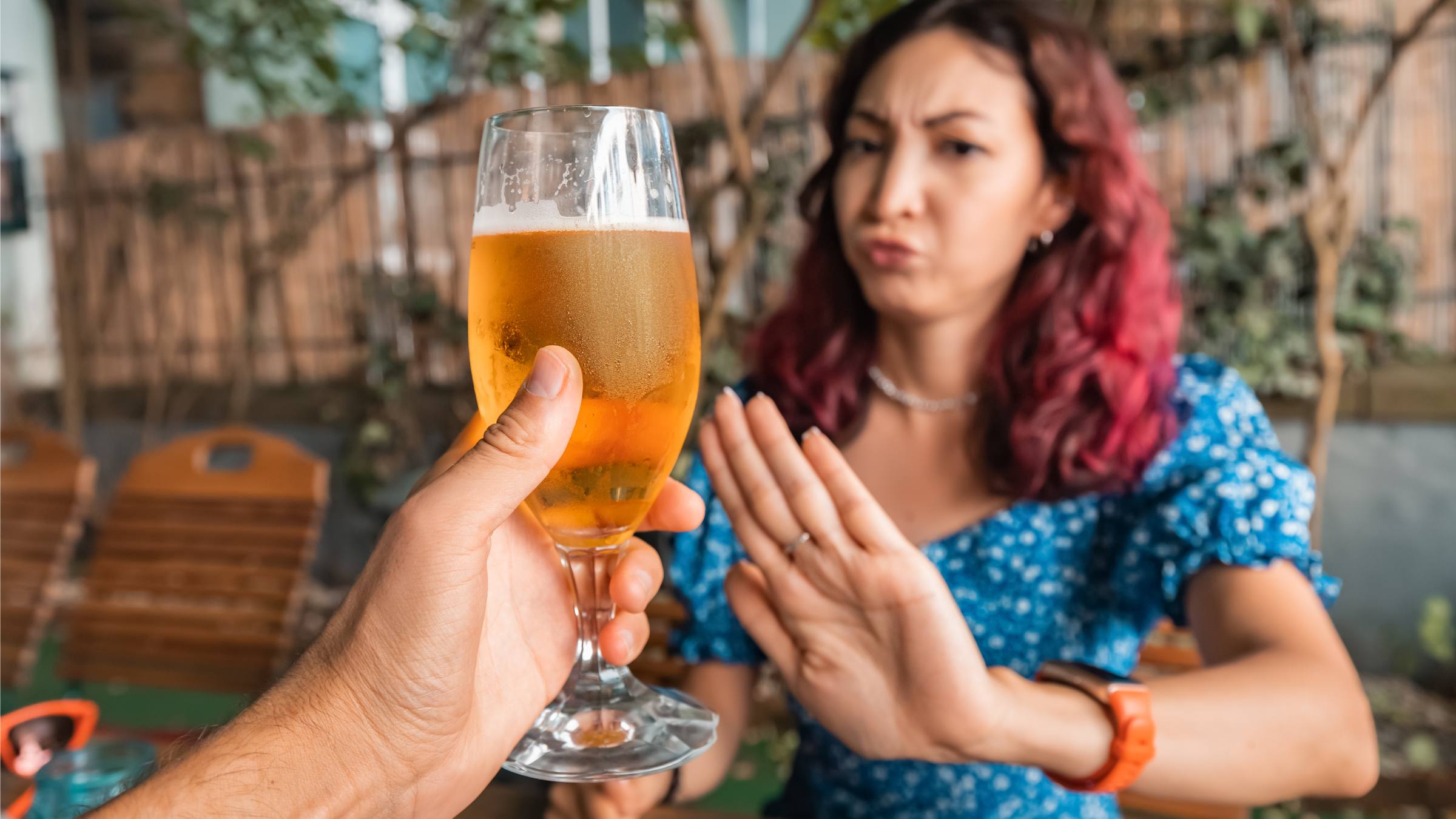
Have you ever wondered why a simple drink at a social gathering sometimes leaves you with a stuffy nose, itchy skin or a sudden wave of flushing that feels stronger than your usual allergy symptoms? Many people assume these reactions come from the environment, but alcohol often plays a much larger role than expected. According to our editor’s research, alcohol affects the immune system, blood vessels and inflammatory pathways in ways that can intensify existing allergies. This connection surprises many individuals because they do not associate beverages with allergic responses. Understanding how alcohol interacts with your body helps you recognise early warning signs and make more comfortable choices during daily routines.
What happens in the body when alcohol meets allergies?
Alcohol influences several biological processes that make allergic responses feel stronger. According to our editor’s reviews, alcohol widens blood vessels and increases circulation in the skin and nasal tissues. This widening makes symptoms such as redness, congestion or itching appear more intense. Alcohol also triggers the release of natural chemicals that influence immune activity, which causes the body to react more quickly to allergens. When these reactions combine, allergies become more noticeable and sometimes more uncomfortable than usual. Patients often recognise this pattern only after repeated experiences and closer attention to their symptoms.
Why does alcohol increase nasal congestion?
Alcohol increases nasal congestion because it expands blood vessels inside the nose and speeds up inflammatory responses. According to our editor’s research, individuals with seasonal allergies often experience stronger symptoms during drinking because their nasal tissues become more sensitive. Alcohol also dries the mucous membranes, which encourages the body to produce more mucus in response. This cycle leads to blocked airways and heavier breathing discomfort. Many people assume this congestion comes from the environment, but alcohol itself often acts as the main trigger.
How does alcohol influence histamine levels?
Alcohol influences histamine levels because certain alcoholic drinks naturally contain higher amounts of histamine, which increases allergy symptoms. According to our editor’s reviews, red wine, beer and champagne are common examples that intensify reactions. Histamine is a chemical the body releases during allergic responses, and extra histamine from beverages adds to the existing load. This combination makes symptoms stronger, especially for people who already have limited histamine tolerance. When histamine levels rise too quickly, patients feel more itching, redness and nasal irritation.
Why do some people flush or redden after drinking?
Many people flush after drinking because alcohol affects the body’s ability to break down certain chemical compounds. According to our editor’s research, some individuals have a natural variation in enzymes that process alcohol more slowly. This slower breakdown increases the amount of acetaldehyde in the system, which widens blood vessels and creates facial redness. People with allergies may experience stronger flushing because their immune system is already more reactive. This flushing becomes more pronounced when both alcohol and allergens are present in the environment.
How do sulfites in alcohol trigger reactions?
Sulfites act as preservatives in several alcoholic drinks and often trigger reactions in people with sensitivities. According to our editor’s reviews, symptoms such as wheezing, hives or nasal congestion appear more frequently when patients consume beverages high in sulfites. These compounds irritate sensitive airways and intensify asthma symptoms in certain individuals. Many people do not realise that their discomfort comes from sulfites rather than the alcohol itself. Recognising this pattern helps reduce unnecessary symptoms and encourages more mindful beverage choices.
Why do immune responses intensify after alcohol consumption?
Immune responses intensify because alcohol affects the body’s natural defences and increases vulnerability to allergens. According to our editor’s research, alcohol can temporarily weaken the barrier function of mucous membranes, making it easier for allergens to enter the system. This reduced protection encourages stronger reactions when the immune system encounters triggers such as pollen, dust or pet dander. Alcohol also changes the balance of certain immune cells, which can lead to quicker and more noticeable symptoms. These effects combine to create a more reactive environment in the body.
How does dehydration worsen allergic reactions?
Dehydration worsens allergic reactions because the body relies on adequate hydration to regulate mucus thickness and maintain tissue stability. According to our editor’s reviews, alcohol dehydrates tissues and thickens mucus, which makes allergens harder to remove from the airways. When mucus becomes sticky, patients feel more congestion and irritation. Dehydration also reduces the body’s ability to stabilise inflammatory responses. These combined effects often make allergies feel stronger and more persistent after drinking.
What role do additives play in worsening symptoms?
Additives such as flavourings, colouring agents and fermentation byproducts contribute to stronger allergic reactions for certain individuals. According to our editor’s research, these additives sometimes irritate sensitive tissues or trigger mild immune responses that overlap with existing allergies. Drinks such as flavoured cocktails or spiced beverages may contain ingredients that increase itching, congestion or skin irritation. Many people only connect these symptoms after observing patterns over time. Awareness of additives helps individuals choose options that reduce unnecessary discomfort.
How does alcohol influence asthma related symptoms?
Alcohol influences asthma related symptoms by irritating the airways and increasing inflammation. According to our editor’s reviews, some individuals experience coughing, wheezing or chest tightness after drinking, especially when exposed to allergens at the same time. Alcohol may also increase sensitivity to environmental triggers such as smoke or perfume. These combined effects place greater stress on the respiratory system and make breathing less comfortable. When patients recognise this link, they often adjust their habits to avoid unnecessary respiratory strain.
What simple steps help reduce alcohol related allergy flare ups?
Simple steps such as choosing low histamine drinks, staying hydrated and monitoring individual triggers help reduce flare ups. According to our editor’s research, patients benefit from observing how different beverages influence their symptoms and adjusting their choices accordingly. Gentle pacing also prevents sudden increases in allergic sensitivity during social occasions. Staying aware of environmental allergens further supports comfort because alcohol often heightens reactions that would otherwise feel mild. These small adjustments create more stable experiences and reduce unexpected discomfort.
Alcohol influences allergic reactions more than many people realise, and understanding this connection helps individuals navigate symptoms with greater confidence. This article offers a simple overview that supports awareness without overwhelming detail. For more detailed information, you may wish to visit the websites of official institutions and organizations.