
Blog

How to Safely Introduce New Foods to Children

The process of introducing new foods to children is often depicted in popular culture as a simple battle of wills between a determined parent and a stubborn toddler, yet the reality is far more nuanced, encompassing complex developmental, sensory, and psychological factors. It extends beyond the initial transition from milk to solids, continuing throughout the…
Read more


Allergy-Induced Asthma: What You Should Know

Asthma is widely recognized as a chronic, often highly complex condition marked by airway inflammation and recurring episodes of wheezing, breathlessness, chest tightness, and coughing. Yet, this broad definition obscures the fact that not all asthma is the same. The most prevalent type, affecting a substantial majority of individuals—particularly children—is allergic asthma, also known as…
Read more

The role of nutrition in allergy management

Navigating the world with allergies is a constant balancing act, a delicate negotiation between our bodies and the environment. While the conventional wisdom focuses on avoidance and medication, a growing body of evidence suggests that the food we eat plays a significant and often overlooked role in this complex relationship. It’s not about finding a…
Read more

The Best Air Purifiers for Allergy Sufferers

Allergies make life tough. Sneezing and itching are common. Indoor air quality matters greatly. Our homes often trap allergens. Pet dander, dust, and pollen hide. Mold spores also float around. An air purifier can really help. It cleans the air you breathe. This offers significant relief. Choosing the right one is key. Not all purifiers…
Read more

How to Manage and Live With Dust Mite Allergies

Dust mites are tiny creatures. They live in our homes often. These microscopic pests cause allergies. Their droppings are the problem. Many people suffer year-round. Symptoms can be quite disruptive. Sneezing and runny nose are common. Itchy eyes and skin often occur. Asthma symptoms can also worsen. Managing these allergies requires effort. But a better…
Read more

How to Prevent and Manage Symptoms of Mold Allergies

Mold spores are everywhere. They can trigger allergic reactions. Managing these symptoms is key. Prevention also plays a vital role. Don’t let mold impact your health. Understanding Mold Allergies Mold allergies cause various symptoms. Understanding mold allergies is a first step. Your immune system overreacts to spores. It sees them as harmful invaders. This triggers…
Read more

Skin Reactions and Allergies: What They Mean

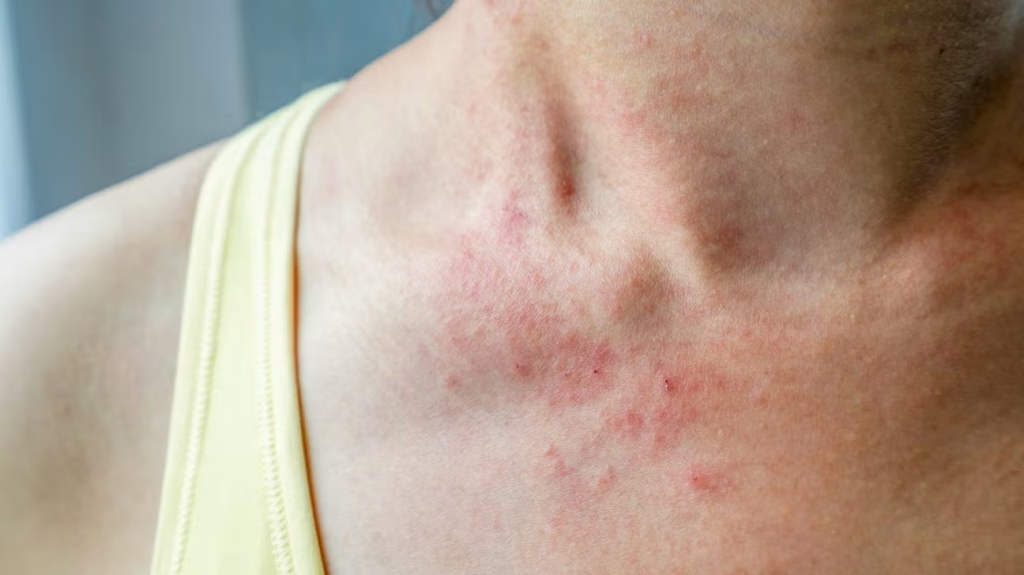
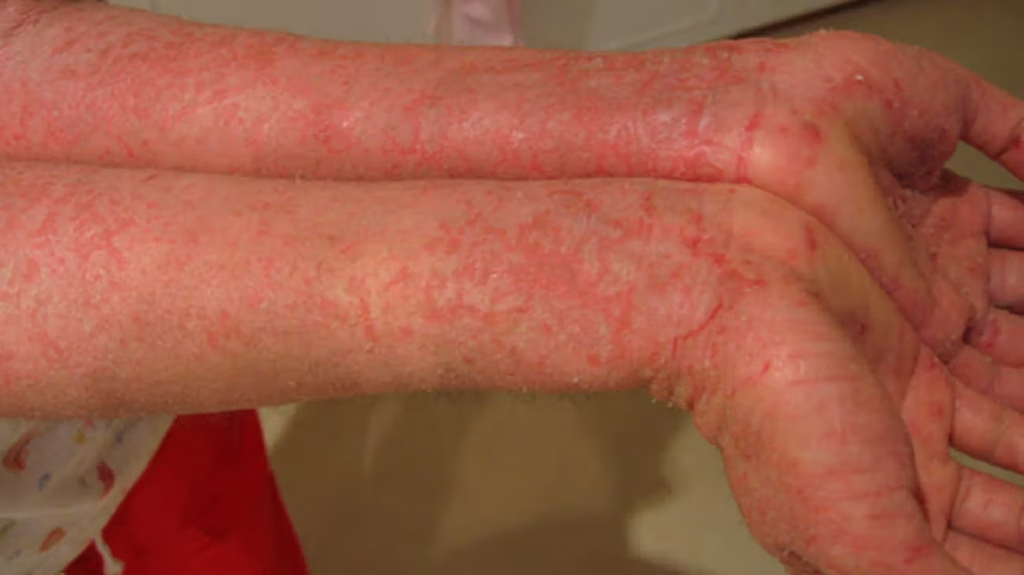
Sometimes a patch of skin turns red. You haven’t changed products or eaten anything new. But irritation begins quietly. Then the color deepens, the area warms, and discomfort spreads. Your skin reacts without explanation. This redness doesn’t always follow contact. Sometimes it’s delayed. Hours or even days pass. Then, suddenly, your skin speaks. The cause…
Read more

Why Your Allergies Might Be Getting Worse

Some people feel like their allergies are getting worse. They haven’t moved or changed their routines. But the body’s responses become stronger. What once caused mild irritation now brings sneezing fits or breathing trouble. The intensity grows without clear reason. Allergens don’t always change. But your sensitivity might. Immune systems evolve with age, stress, and…
Read more

Natural Remedies That May Help with Allergy Relief

Many people notice their symptoms rise with seasonal changes or household triggers. Sneezing becomes constant. Eyes itch. Breathing feels slightly labored. These changes may not need emergency care, but they interrupt sleep, focus, and daily routine. Instead of medication, some turn to natural remedies. Not as a cure, but as a way to soften the…
Read more

How to Manage Pet Allergies Without Saying Goodbye

It started with mild symptoms. Sneezing mostly. Some congestion. I thought it was seasonal. Or maybe dust. It got worse slowly. More sneezing. Runny nose. Itchy throat. I didn’t connect it to my cat at first. She had been with me for years. I never had a reaction before. But allergies can change over time.…
Read more